|
|
||
|
◊◊◊◊
Go to recipe lists at bottom of page
◊◊◊◊
|
Phase 1 Veggie Recipes
From http://www.wholehealthmd.com/refshelf/foods_view/1,1523,148,00.html:
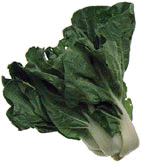
Why Eat It "Bok choy, also known as Pak choi or Peking cabbage, forms a small but elongated head (not round like European cabbage) with plump white stalks and deep green leaves. A member of the brassica family, bok choy offers nutritional assets similar to those of other cabbages: It is rich in vitamin C and contains significant amounts of nitrogen compounds known as indoles, as well as fiber--both of which appear to lower the risk of various forms of cancer. Bok Choy is also a good source of folate (folic acid). And with its deep green leaves, bok choy has more beta-carotene than other cabbages, and it also supplies considerably more calcium. The stalks and leaves have quite different textures, so in culinary terms, it's like getting two vegetables for the price of one." Shopping The stalks of bok choy should be thick and fleshy, but firm; the leaves should be crisp and green. Avoid bok choy with bruised or slimy spots. Storage Place unwashed heads of bok choy in a loosely closed plastic bag and refrigerate for no more than a day or two. Bok choy is more perishable than head cabbages.
Stir-Fried Bok Choy
1 bunch of bok choy 1 tablespoon olive oil 1 cup onions, sliced or coarsely chopped 1 garlic clove (or 1/2 teaspoon garlic from jar) 1 tablespoon soy sauce 2 teaspoons rice vinegar 1 teaspoon Chinese dark sesame oil
Coarsely chop bok choy, separating stalks from greens. In a large skillet or wok, heat olive oil. Add onions and garlic, and sauté until onions are translucent (if using garlic from jar, add after the onions are done).
Add the chopped bok choy stalks and sauté for about 2 minutes, or until crisp-tender. Add the chopped greens, put lid on skillet, and steam for a couple of minutes, or until greens are wilted.
Mix soy sauce, rice vinegar, and sesame oil. Add to skillet and heat. Serve immediately.
This page on-line December 4, 2003
|